What is Heartworm?
Heartworm is a serious disease caused by worms (Dirofilaria immitis) that live in the heart, lungs and blood vessels of infected dogs. It's spread by mosquitoes - just one bite from an infected mosquito can transmit hundreds of heartworm larvae.
Left untreated, heartworm disease can cause lung disease, heart failure and damage to other organs.
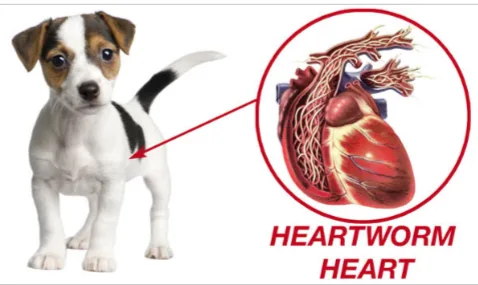
What Heartworm Looks Like
These are adult heartworms removed from a dog's heart and blood vessels.
This is why prevention is so important.
Signs of Heartworm in Dogs
Early signs can be mild or easy to miss.
Prevention and testing do different jobs
Heartworm prevention targets immature parasite stages; a heartworm test checks for evidence of an established infection. The American Heartworm Society recommends year-round prevention and regular testing for dogs in the United States, including dogs that rarely go outside, because mosquitoes can enter homes and seasonal risk varies by location.
Adult dogs with an unknown prevention history generally need veterinary testing before a preventive is started. Puppies have different timing because an early infection may not yet be detectable. Keep the product name, dose date and test date in the same record so your veterinarian can see gaps clearly.
If a dose is late or missed
Do not double a dose or improvise a schedule. Contact the prescribing clinic, explain the product and exact dates, and follow its restart and retesting plan. Preventives are highly effective when used correctly, but no routine should be described as a 100% guarantee.
Seek veterinary care for coughing, unusual fatigue, breathing difficulty, collapse or a swollen abdomen. These signs have many possible causes and should not be diagnosed from a checklist.
Source checked: American Heartworm Society: Heartworm Basics.
This page is for educational purposes only and does not replace veterinary advice. Always follow your veterinarian's guidance for testing, prevention and treatment decisions.