Why Cat Claw Checks Matter
Indoor cats and senior cats can develop overgrown claws more easily than many owners realize.
Regular claw checks help prevent discomfort, snagging and hidden paw problems.
Signs Your Cat's Claws May Need Attention
Cats often give subtle signs before claws become too long.
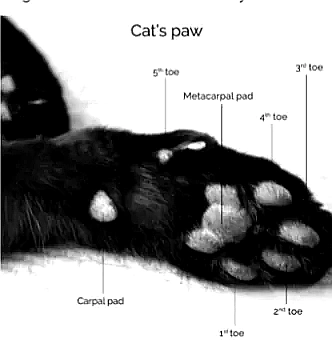
Common Cat Claw Signs
These are common signs owners notice during grooming or daily routines.
Trim only the sharp tip
A cat's quick contains nerves and blood vessels. Press the toe pad gently to extend the claw, identify the clear hooked tip and take off a very small amount. Good light, cat-sized clippers and a calm, nonslip position make the job easier. Keep styptic powder nearby in case the quick is nicked.
Many cats tolerate one or two claws better than a full session. Pair brief paw handling with treats on non-trim days, introduce the clipper sound separately and stop before restraint becomes a struggle.
Check more than the front claws
- Inspect dewclaws and rear claws for overgrowth or splitting.
- Watch older or less active cats because claws may wear less and can curve toward the pad.
- Ask a veterinarian or groomer for help with pain, swelling, an embedded claw or severe fear.
- Provide scratching surfaces; trimming supports claw care but does not replace normal scratching behavior.
Source checked: ASPCA cat grooming and claw-care guidance.
This page is for educational purposes only and does not replace veterinary advice. Always follow your veterinarian's guidance for testing, prevention and treatment decisions.