What is Dog Worming?
Dog worming helps protect dogs from common intestinal parasites like roundworms, hookworms and tapeworms.
Without regular prevention, worms can affect digestion, energy levels and overall health.
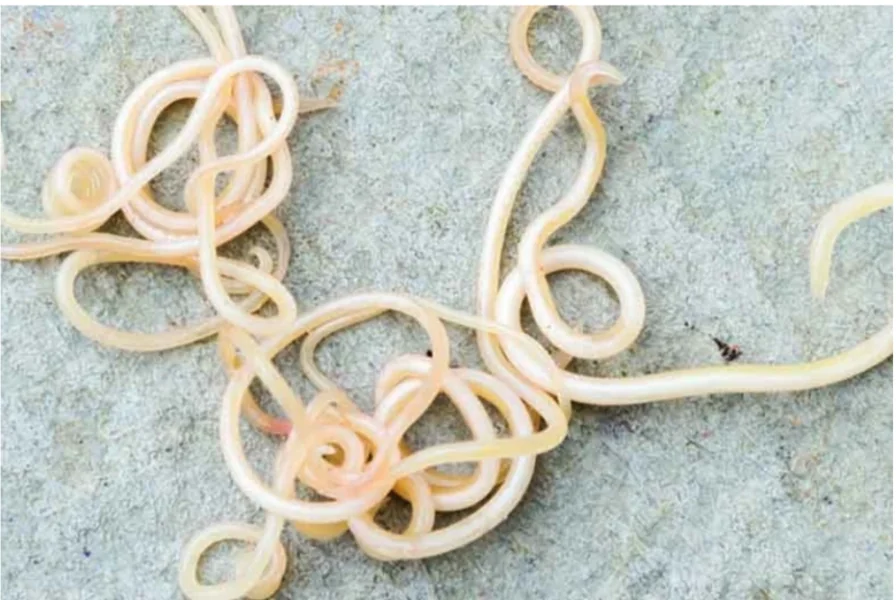
What Dog Worms Look Like
Some worms stay hidden inside the digestive tract while others may appear in stool.
This is why prevention is so important.
Signs of Worms in Dogs
Early signs can be mild or easy to miss.
Build the schedule around your dog
There is no single safe calendar for every dog. A veterinarian may consider age, pregnancy or nursing, hunting or scavenging, travel, contact with dog parks or wildlife, the local parasite picture and whether a monthly broad-spectrum preventive is already being used. The product label and your dog's test results should control the interval—not a generic reminder date.
- Record the exact product and active ingredients so two overlapping products are not given by mistake.
- Save the last dose, next due date and any fecal-test result together.
- Ask before restarting after a long gap; the next step can depend on the parasite and medication.
Testing, hygiene and reinfection
A normal-looking stool does not rule out intestinal parasites. Fecal testing can find infections that are not visible, while prompt waste removal reduces contamination of yards and public areas. Flea control also matters because fleas can transmit tapeworms. Wash hands after handling waste, keep children away from contaminated soil and prevent dogs from eating prey or stool where possible.
Call a veterinarian promptly for repeated vomiting or diarrhea, blood in stool, a swollen abdomen in a puppy, pale gums, weakness, breathing trouble, rapid weight loss or suspected ingestion of the wrong medication.
Sources checked: Companion Animal Parasite Council general guidelines and CAPC roundworm guidance.
This page is for educational purposes only and does not replace veterinary advice. Always follow your veterinarian's guidance for testing, prevention and treatment decisions.