Tofu Cat Litter Guide: Low Dust, Clumping & Worth It?
Affiliate disclosure: we may earn a commission from purchases through links on this page, at no extra cost to you. How affiliate links work.
Clay and silica litters have dominated cat boxes for decades, but there's a new contender made from an unlikely ingredient: soybeans. Tofu cat litter is created from the leftover pulp of soybeans (called okara) mixed with small amounts of bentonite clay for clumping. This plant-based litter is biodegradable, low-dust and has caught the attention of eco-conscious cat owners.
What makes tofu litter different?
- Plant-based & biodegradable: rather than strip-mined clay, tofu litter repurposes food by-products and breaks down more easily in the environment.
- Flushable in small amounts: most manufacturers claim you can flush clumps because the litter dissolves in water. Always check local regulations and only flush small quantities to avoid plumbing issues.
- Low dust & low tracking: pellet-style tofu litter produces less dust than clay, reducing respiratory irritation and mess outside the box.
- Lightweight & absorbent: the porous structure absorbs urine quickly and weighs less per bag than clay.
Considerations before you switch
Tofu litter typically costs more than conventional clay or corn litters. It can also absorb moisture from the air and may spoil if stored in humid or sunny conditions. Because it's lightly scented, some cats may need time to adjust to the new smell and texture. Transition gradually by mixing a small amount of tofu litter into your cat's usual brand over several days.
How tofu litter compares with clay and silica
Compared with clay litter, tofu litter is usually lighter to carry, produces less dust and feels cleaner in small homes. Compared with silica crystals, it is often softer under paw and easier to scoop in clumps. The trade-off is that tofu litter can cost more and the odor control varies more by brand.
Who usually likes tofu litter most
- Apartment households: lower dust and lighter bags make everyday cleanup easier.
- Owners sensitive to clay dust: tofu litter is often gentler on the nose and on surrounding furniture.
- Single-cat homes: easier to test gradually before switching all litter boxes.
- Eco-conscious owners: better fit if you want a plant-based option with less mining impact.
Common complaints before you buy
- Some brands break down too quickly if the litter box stays very wet.
- Odor control can be weaker than heavy clay litters in multi-cat homes.
- Cats that love fine sand textures may need a slower transition to pellet-style tofu litter.
- Flushable claims still need caution, especially in older plumbing systems.
Best way to switch without stressing your cat
Start by mixing a small amount of tofu litter into the current litter for several days. Increase the percentage slowly instead of doing a full box swap overnight. If your cat hesitates, keep one box unchanged and let them choose while they get used to the new texture.
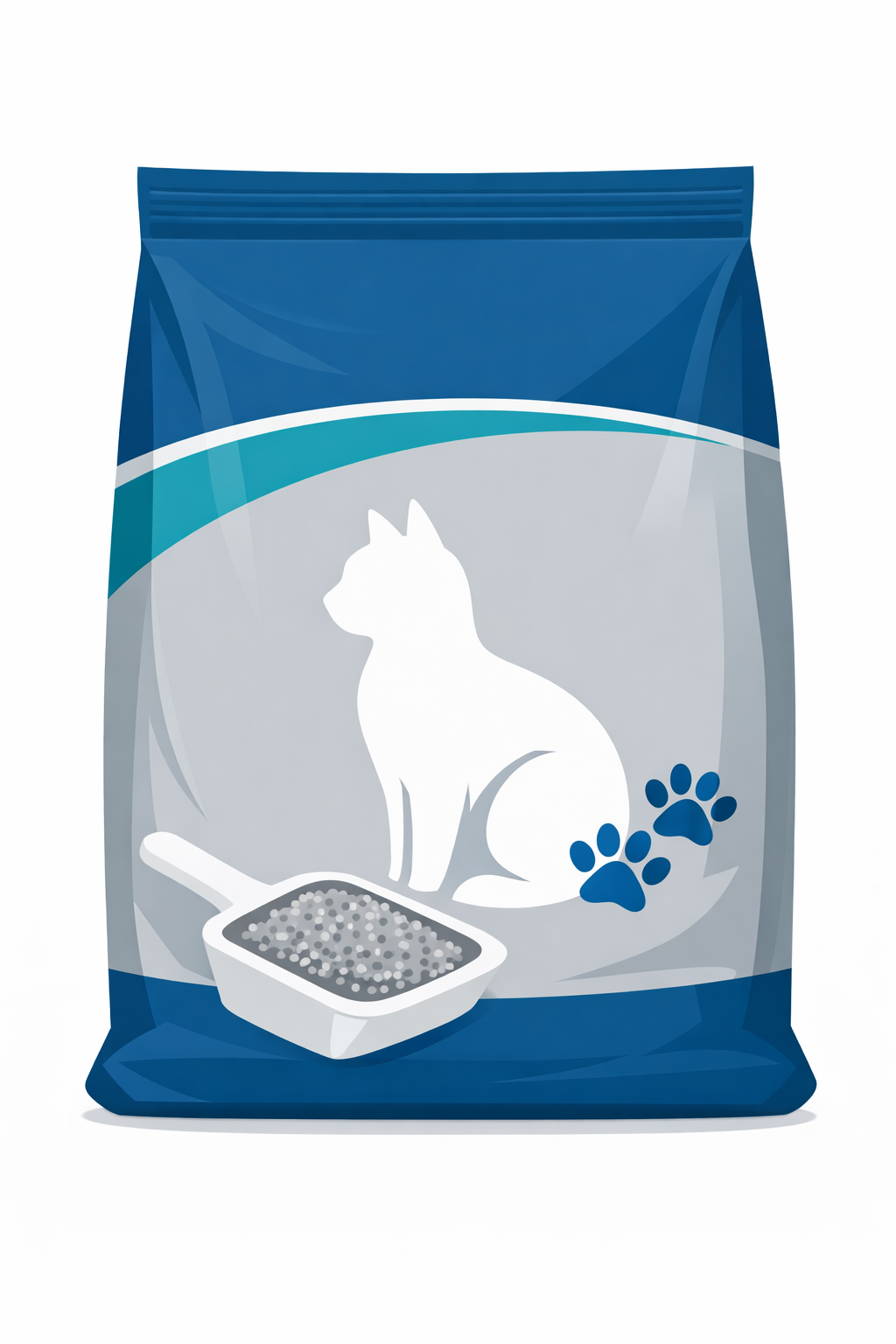
Editors' choice litter baseline
Dr. Elsey's Ultra Unscented Clumping Clay Cat Litter - 99% dust-free natural clay with hard clumping and superior odor control. The hypo-allergenic formula and multi-cat strength make it a reliable benchmark when you're comparing plant-based litters.
Check price on ChewyIs it right for you?
If you're looking to reduce your environmental footprint and dust levels in your home, tofu litter is worth a try. However, households with septic systems or plumbing restrictions should consult local guidelines before flushing. Keep litter in a sealed container to preserve freshness, and monitor your cat's acceptance - every feline has their own preference.
For more ways to enrich your cat's indoor life, explore our cat scratcher guide for scratch posts and interactive toys.
Last updated: March 2026.
Alternative litter pick
If tofu litter is hard to find or too expensive, this is a widely used clumping option to compare against.
Dr. Elsey's Ultra Unscented Clumping Clay Cat Litter is a useful baseline if you want strong clumping and broad availability while deciding whether tofu litter is the right switch for your home.