How to choose a cat scratcher
Affiliate disclosure: we may earn a commission from purchases through links on this page, at no extra cost to you. How affiliate links work.
A good scratcher saves your sofa and keeps your cat happy. Here's what matters.
Why cats scratch
Cats scratch for more than just sharpening their claws. Scratching helps remove old nail sheaths, provides a full-body stretch and leaves scent marks from glands in their paws that define their territory and make them feel secure. It's also a natural way for them to relieve stress and work off energy. Providing appropriate scratching surfaces satisfies these instincts and protects your furniture.
- Nail care: scratching helps shed old claw sheaths and keeps claws in good condition.
- Stretching: a long stretch down a post or pad engages back and shoulder muscles, especially after a nap.
- Scent marking: cats deposit scent from their paw pads when they scratch; this helps them feel at home and communicate with other cats.
- Stress relief: scratching is self-soothing and can reduce anxiety or boredom.
Types of scratchers
Not all scratchers are created equal. Observing how your cat naturally scratches will help you pick the best style. Offer a mix of vertical posts, horizontal pads and angled scratchers to keep things interesting and to cater to different moods.
- Vertical posts: tall posts or wall-mounted pads let cats stand upright and pull down, giving them a full stretch. They're ideal for lanky or active cats.
- Horizontal pads: floor mats and lounge-style scratchers suit cats who dig into carpets or prefer a lower posture. They can be great for kittens, senior cats or those with joint issues.
- Angled or box scratchers: ramps or boxes provide both horizontal and vertical surfaces, offering variety for cats who like a bit of everything.
1) Height and stretch
Scratching posts should be tall enough for your cat to extend their front legs fully and engage their back muscles. Larger or athletic cats may need taller posts, while kittens and smaller breeds can use shorter ones. Watch how your cat stretches to gauge the right height.
2) Stability
A flimsy scratcher that tips over will quickly scare your cat off. Choose a post with a wide, heavy base or one that can be anchored to a wall or floor. Sturdy construction lets your cat scratch enthusiastically without fear of collapse.
3) Material
- Sisal: durable and popular for vertical scratching; its rough texture encourages a good grip.
- Cardboard: great value and satisfying for cats that love shredding, though it wears faster.
- Carpet: some cats love plush fibers, but using carpet can teach your cat that household carpets are fair game.
- Wood or rope: natural wood or jute rope appeals to cats who like a firmer surface; just smooth any sharp splinters.
- Mixed materials: posts that combine sisal, carpet and wood let cats choose and keep things interesting.
Let your cat's current scratching habits guide you: if they tear up cardboard boxes, try a cardboard scratcher; if they're drawn to rug fibers, carpet might appeal. You may need to experiment with a few materials to discover their favorite.
4) Placement
Location is key. Place scratchers where your cat already scratches (such as near the arm of the sofa) and near favorite sleeping or resting spots so they can stretch when they wake up. Put posts in both high-traffic areas and quieter corners to offer options. Encourage use by sprinkling catnip on the scratcher or dangling a toy from the top, and reward your cat with praise or treats when they use it.
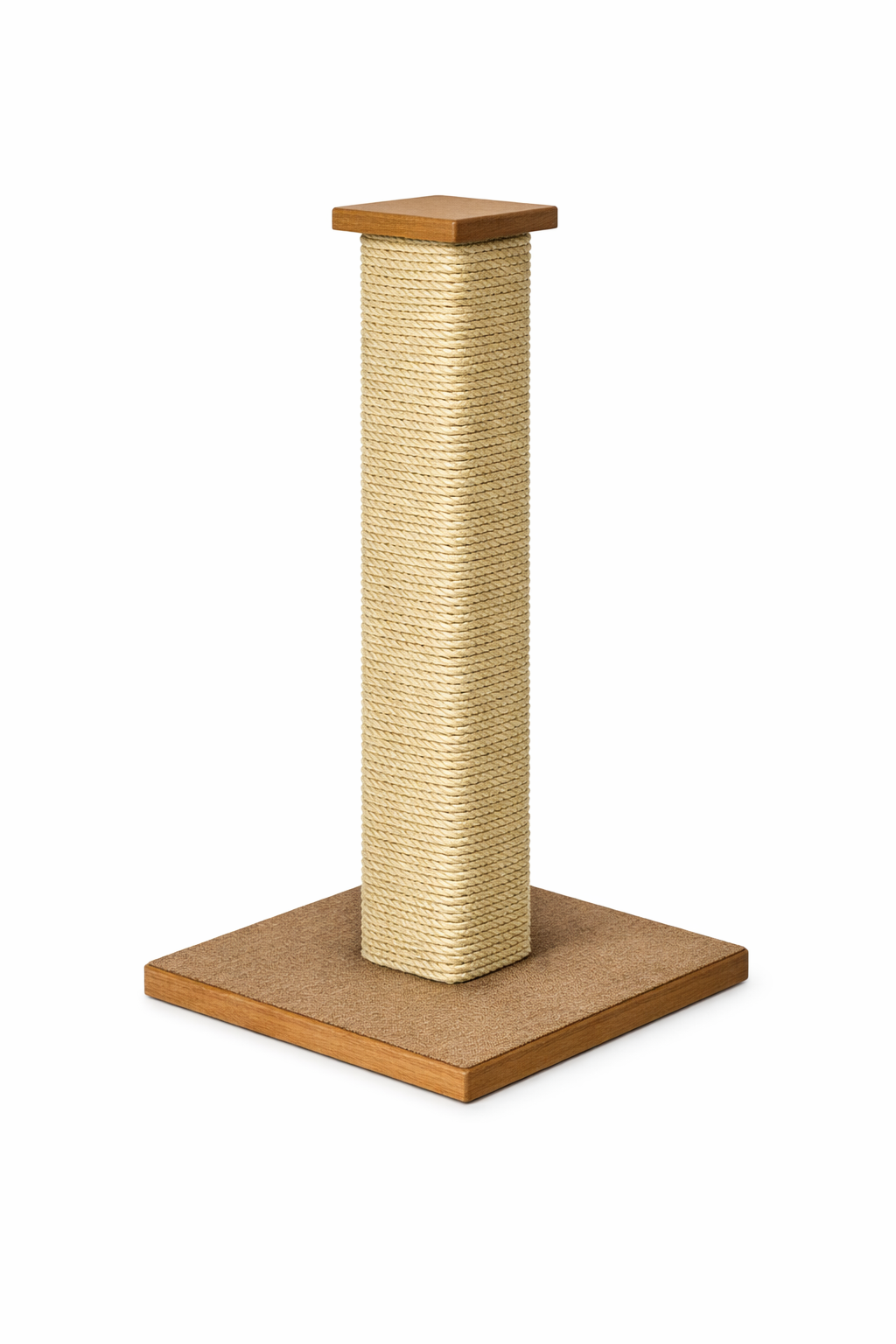
Simple starter pick
SmartCat Ultimate Scratching Post - enough height for a full stretch, sisal covering, and a steady base.
SmartCat scratching post on Chewy
We'll add more product picks once we have enough testing and feedback data.
Related cat health guides
Helpful next pages for connected cat problems and routine care.