Pet air purifiers: breathe easier with dogs & cats
Affiliate disclosure: we may earn a commission from purchases through links on this page, at no extra cost to you. How affiliate links work.
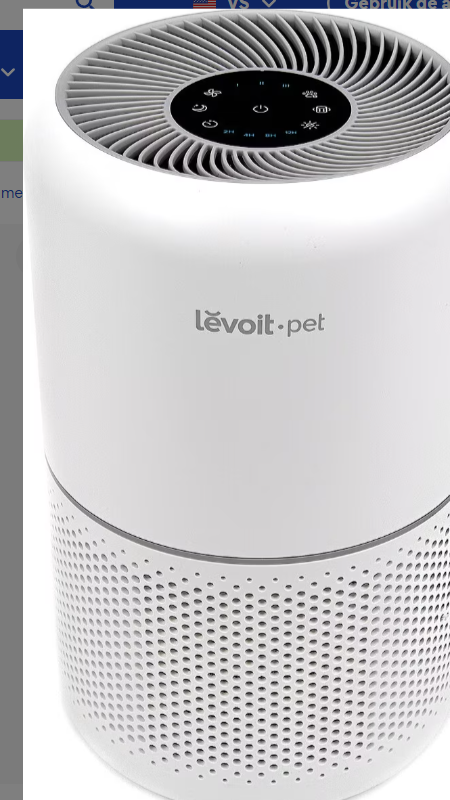
Editors' choice air purifier
Levoit Core Pet Care True HEPA Air Purifier - True HEPA filtration with activated carbon removes pet dander, dust and odors, helping you and your pets breathe easier.
Check price on Chewy
Pets enrich our lives but can also fill our homes with dander, hair and the occasional odor. Air purifiers designed for pet households use mechanical and chemical filters to remove these particles from the air, helping allergy sufferers and keeping your home smelling fresh.
How filters work
- HEPA filters: high-efficiency particulate air (HEPA) filters capture at least 99.97 % of particles as small as 0.3 microns. That includes pet dander, dust, pollen and some bacteria.
- Activated carbon: porous charcoal adsorbs volatile compounds responsible for pet odors, smoke and other gases that HEPA filters can't trap.
- Pre-filters: coarse mesh screens catch fur and larger debris, extending the life of the primary filters.
Benefits for pet owners
Reducing airborne allergens can ease symptoms like sneezing, itchy eyes and asthma in sensitive people. Continuous filtration keeps litter box smells and "wet dog" odor under control. An air purifier also helps your pet breathe more comfortably if they have allergies or respiratory issues.
Choosing the right purifier
Select a unit sized for your room - most manufacturers list the maximum square footage they can handle. Look for a true HEPA filter (not "HEPA-like"), a substantial activated carbon layer and a washable pre-filter. If you value silence, check the noise rating at lower fan speeds. Place the purifier near your pet's bed or litter box for maximum effect, and replace filters according to the manufacturer's schedule.
Trying to manage cat scratching as well? See our cat scratching guide for tips on redirecting destructive behavior and choosing the right posts.
Who benefits most from a pet air purifier?
These units are most useful in homes where pet hair and dander build up quickly: multi-pet households, small apartments, carpeted rooms and homes where a litter box or dog bed sits in the main living area. They are also helpful for people who notice symptoms in one room more than others, because placing the purifier close to the problem area can improve everyday comfort.
A purifier does not replace cleaning, brushing or washing pet bedding. It works best as part of a routine: vacuuming, laundering blankets and controlling odors at the source. For that reason this guide now gives more realistic buying advice instead of reading like a product-only page.
Common mistakes to avoid
- Buying a unit that is too small for the room.
- Focusing on noise or design and ignoring true HEPA plus carbon filtration.
- Running the purifier occasionally instead of daily in problem rooms.
- Skipping filter replacements, which quietly reduces performance.