Dog Itching - Causes, Relief & When to Seek Help
Affiliate disclosure: we may earn a commission from purchases through links on this page, at no extra cost to you. How affiliate links work.
Information here is for general guidance only. Always consult your veterinarian if your dog is uncomfortable or developing skin problems.
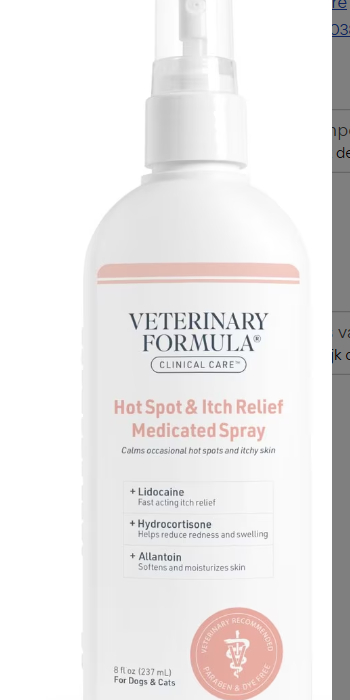
Fast-acting itch relief
Veterinary Formula Hot Spot & Itch Relief Spray - Medicated spray formulated to soothe hot spots and relieve itching quickly, promoting healing between vet visits.
Check price on Chewy
Why is my dog itchy?
Itchiness in dogs isn't always due to fleas. Many veterinarians cite allergic dermatitis as the top reason dogs are brought in for care. Occasional scratching is normal, but frequent chewing, licking or rolling can indicate a medical problem. Allergies cause the body to overreact to an irritant, making your dog feel itchy.
Common causes of itchy skin
Several types of allergies or irritants can lead to chronic scratching:
- Flea allergy dermatitis: One bite from a flea can make a dog extremely itchy. Flea bites often affect the hind legs, tail base and rear end.
- Food allergies: Ingredients like beef, chicken or dairy can trigger itching, especially around the paws, face, armpits and belly.
- Environmental allergies: Pollen, mold spores and dust mites can cause seasonal or year-round itchiness.
- Contact allergies: Substances like household cleaners, shampoos, insecticides or plants can irritate the skin.
- Parasites and infections: Mites, lice or fungal infections can lead to intense scratching and hair loss.
- Dry skin or hormonal disorders: Endocrine conditions like hypothyroidism, Cushing's disease or nutritional deficiencies can cause dry, itchy skin.
Complications of untreated itching
Persistent licking and scratching can damage the skin, leading to secondary infections and wounds. This may result in hair loss, body odor, inflammation and pain.
At-home relief and management
If your dog's scratching is mild, you can provide some temporary relief while you arrange a veterinary appointment:
- Check for fleas and parasites: Use a flea comb and start a vet-approved flea treatment if needed.
- Bath with a gentle, hypoallergenic shampoo: This can soothe irritated skin. Avoid over-bathing, which dries the skin.
- Balanced diet: Ensure your dog's food contains omega-3 fatty acids to support skin health.
- Avoid potential allergens: Wash bedding regularly, vacuum to reduce dust mites and avoid lawn treatments or cleaning products that might irritate the skin.
- Consult your vet before using antihistamines or steroids: Over-the-counter creams and antihistamines often provide little benefit for environmental allergies. Prescription steroids can help but may cause side effects like increased urination, weight gain and behavior changes.
When to call the vet
Contact your veterinarian if your dog:
- Is scratching constantly or seems distressed.
- Has open sores, crusts, hair loss or signs of infection.
- Develops recurrent ear infections or odor.
- Shows changes in appetite or behavior.
A vet can perform a skin examination, allergy testing and prescribe targeted medication or a diet trial. Severe allergies often require prescription treatments and a behavior plan.
Return to the Dog & Cat Health Library
Related dog health guides
Helpful next pages for connected dog symptoms and routine care.