Dog Anxiety - Signs, Causes & How to Help
Affiliate disclosure: we may earn a commission from purchases through links on this page, at no extra cost to you. How affiliate links work.
If your dog is pacing, panting, whining or chewing when stressed, the fastest first step is to pair training with a calming product you can actually use every day.
This page gives you the quick first buy, the main signs to watch for and the next steps that usually help most dogs feel calmer.
This guide is for general information. Always talk to a veterinarian or certified trainer about your dog's specific needs.

Best quick-start pick for anxious dogs
VetriScience Calm & Confident is the strongest first place to start here because it is easy to use, fits daily routines and gives you a practical calming option while you work on training and trigger control.
Check price on Chewy
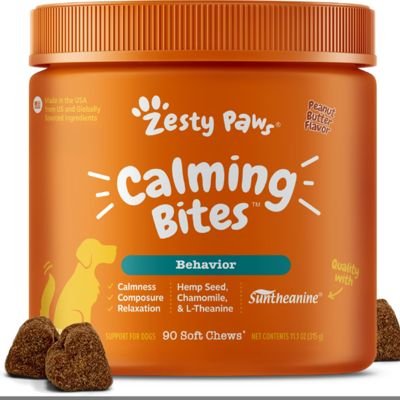
Also worth considering: Zesty Paws Calming Bites
Zesty Paws Calming Bites are a strong second option for dogs that need daily calming support. They are easy to use and fit well on pages about stress, nervous behavior and separation-related anxiety.
Check price on Chewy

Good add-on for boredom and alone time
SunGrow Treat Dispensing Toy is not a direct cure for separation anxiety, but it can help reduce boredom, give your dog something to focus on and make short alone periods easier to manage.
View on Chewy
Quick signs you should not ignore
- Pacing, panting or whining when nothing obvious is happening.
- Chewing, barking or scratching that gets worse around triggers like departures, noise or visitors.
- Restlessness, lip licking or refusal of treats when your dog would normally settle.
What is anxiety in dogs?
Anxiety occurs when a dog feels fearful or uneasy in anticipation of an event. Many dogs show subtle body language before outwardly panicking. Recognizing these signals early helps you intervene before anxiety escalates.
Signs of anxiety
Veterinary behaviorists describe anxiety along a spectrum. Mild signs include lip licking, yawning, avoiding eye contact and turning the head away. Moderate anxiety adds ears pulled back, a furrowed brow, fidgeting, panting or refusal of treats. Severe anxiety may look like tucking the tail, slinking away, wide eyes with dilated pupils, trembling or showing teeth.
Dogs with anxiety often display unwanted behaviors such as destructive chewing, barking or whining, shaking, pacing, house-soiling, drooling or losing interest in activities they once enjoyed.
Common causes
Anxiety can be triggered by medical issues, environmental changes or past experiences. Common causes include:
- Underlying pain: Conditions like dental disease, neurological pain, arthritis or digestive problems can cause anxiety.
- Separation anxiety: An estimated 14-20 percent of dogs are anxious when separated from their family.
- Changes in routine or environment: Moving house, changes in household members, boarding kennels or unfamiliar floors can unsettle a dog.
- Loud noises: Thunder, fireworks, construction and other loud sounds can trigger fear.
- Unfamiliar dogs or people: Lack of socialisation can make new encounters frightening.
Diagnosing dog anxiety
Your veterinarian will begin with a physical examination and may perform laboratory tests or X-rays to rule out medical causes. They may ask you to record your dog's behavior to better understand triggers. In many cases, a certified professional trainer is also part of the treatment team.
What usually helps first
For most owners, the best order is simple: reduce the trigger, give your dog a calmer routine, add a support product you can use consistently and then build training around the specific problem.
How to help your anxious dog
Effective treatment depends on the cause and severity:
- Veterinary care: If anxiety stems from an underlying medical condition, your vet will address that first.
- Professional training: Work with a certified trainer to develop a behavior modification plan and use positive reinforcement to change your dog's emotional response.
- Medication: Anti-anxiety medication may be prescribed alongside training.
- Supplements and pheromones: Choose a clinically tested calming chew with colostrum proteins, L-theanine and B vitamins to promote relaxation and support a healthy nervous system. Pheromone sprays or diffusers may also help sensitive dogs feel more secure.
- Anti-stress diets and enrichment: Certain veterinary diets support calm behavior. Daily exercise and interactive play help dogs expend mental energy and stay balanced.
- Calm comings and goings: Avoid making a fuss when you leave or return; quiet, neutral departures reduce anticipation.
Prevention
Socialise puppies between 3 and 12 weeks of age, introducing new experiences with treats and praise. Gradually expose your dog to different surfaces, people, noises and situations to build confidence. Maintain a consistent routine and provide safe spaces for rest.
What to do next
If your dog is anxious most days, start with a calming chew you can use consistently, then focus on the main trigger: being left alone, loud sounds, visitors or routine changes.
Return to the Dog & Cat Health Library
Related dog health guides
Helpful next pages for connected dog symptoms and routine care.