Best Slow Feeder Dog Bowls (Updated February 2026)
Affiliate disclosure: we may earn a commission from purchases through links on this page, at no extra cost to you. How affiliate links work.
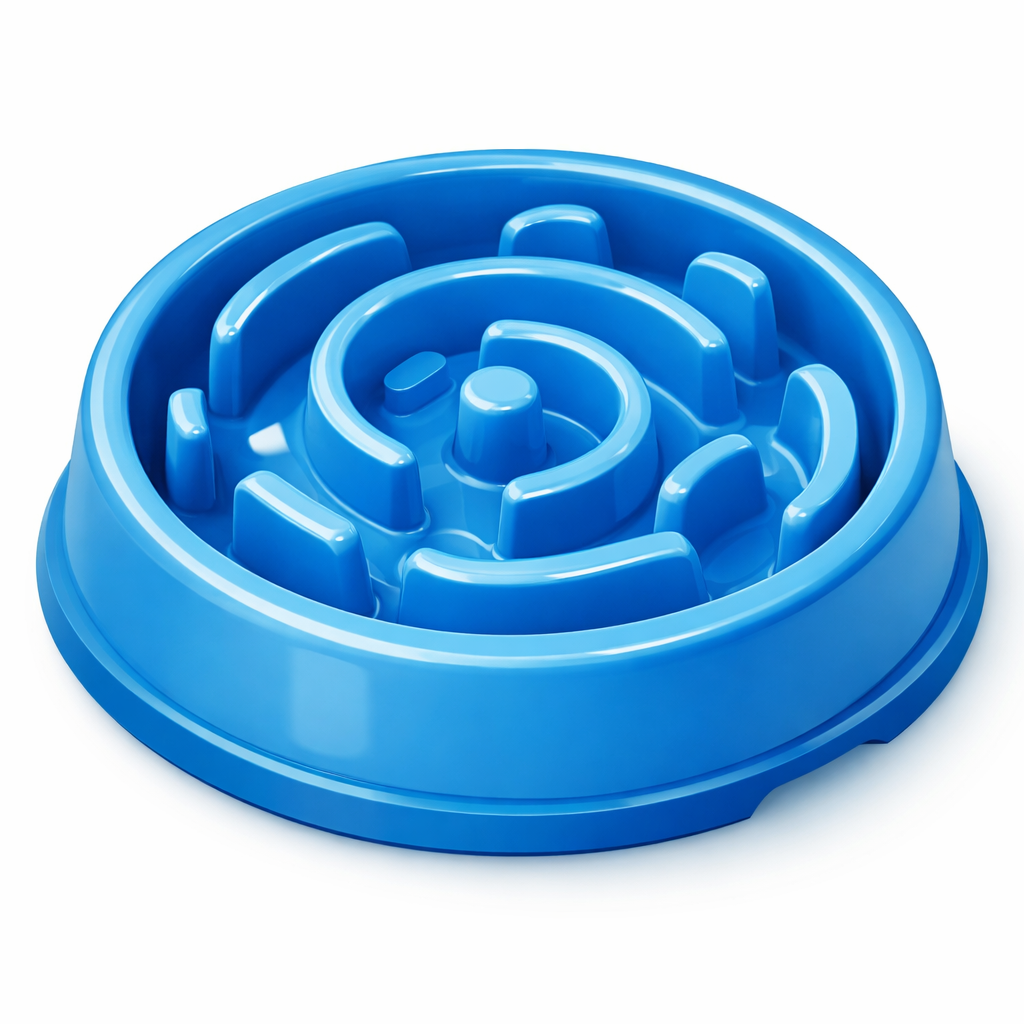
★ Best overall slow feeder
Outward Hound Fun Feeder - Slow-feeder dog bowl with maze-like ridges to help dogs eat up to 10x slower for better digestion and reduced risk of bloating and choking. Many dogs rush through their meals, so a feeder like this provides an easy way to encourage slower, healthier eating.
Check price on Chewy
View top slow feeder on Chewy ->
Many dogs wolf down their food in seconds. While enthusiasm is endearing, eating too fast can be dangerous: it increases the risk of choking and a life-threatening condition called gastric dilatation-volvulus (GDV or bloat). A slow feeder bowl is designed with ridges, mazes or raised patterns that force your dog to work for each mouthful, slowing their eating and making mealtime more engaging.
Why slowing down matters
- Reduces bloat risk: when dogs gulp food they also swallow air, which can expand the stomach. Slower eating means less air intake and lower risk of GDV.
- Improves digestion: smaller, well-chewed bites are easier on the stomach and help nutrients absorb more efficiently.
- Prevents vomiting and gas: gradually ingesting food reduces pressure on the stomach, leading to fewer post-meal burps and upset.
- Mental enrichment: navigating a puzzle bowl turns meals into a short game, satisfying your dog's foraging instincts.
Choosing the right design
Match the bowl pattern to your dog's muzzle and personality. Wide, shallow patterns work well for short-snouted breeds like pugs and boxers, while deeper mazes challenge long-nosed breeds. Look for non-slip bases, food-safe materials and dishwasher-safe construction. If your dog is new to puzzles, start with a simpler design and gradually increase complexity.
Tips for success
Supervise the first few meals to ensure your dog doesn't become frustrated or try to tip the bowl. You can smear a small amount of wet food along the ridges to encourage licking and slow down kibble. For strong chewers, choose sturdy materials like thick plastic or stainless steel to withstand pawing. If your dog is severely underweight or has dental problems, consult your veterinarian before switching to a slow feeder.
Do you have a power chewer at home? Explore our indestructible toy guide for durable picks that go hand in hand with slow feeding.