Dog probiotics: supporting gut health & immunity
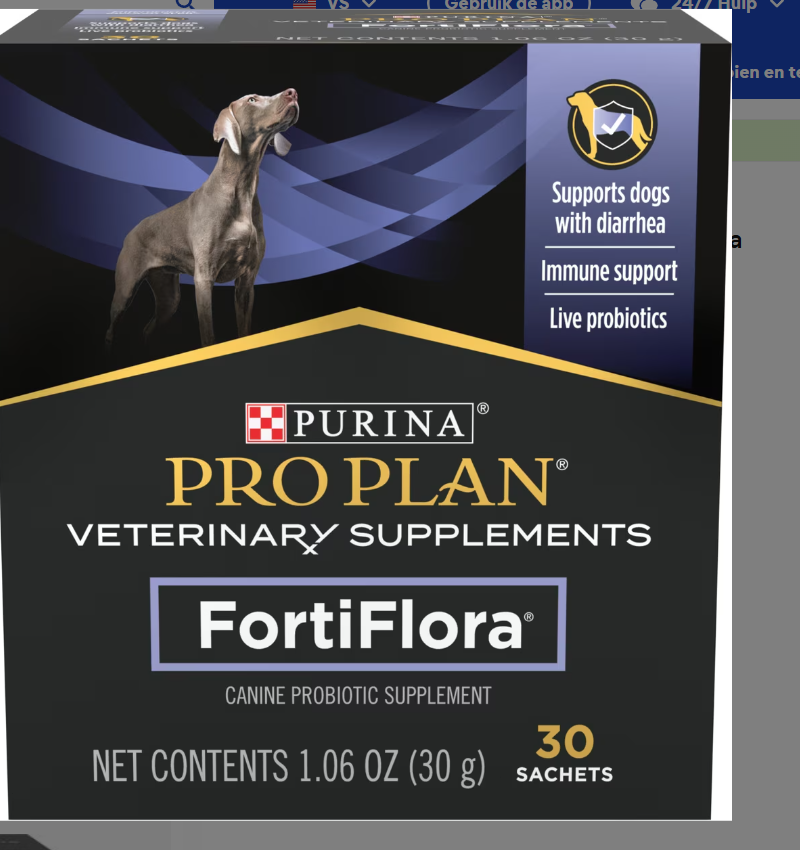
Digestive support probiotic
Purina Pro Plan FortiFlora Probiotic - Contains live beneficial bacteria to help rebalance gut flora, support digestive health and immune function.
Check price on Chewy
What are probiotics & prebiotics?
The gut microbiome houses billions of bacteria and yeasts that help break down food, synthesise vitamins and train the immune system. Probiotics add live beneficial microorganisms to your dog's digestive tract. Prebiotics are special fibers that nourish the existing gut flora. Together they help maintain a balanced intestinal ecosystem.
Benefits of probiotics
- Improve digestion: beneficial bacteria aid in breaking down food and nutrient absorption, which can reduce diarrhea, gas and even stool eating.
- Support immunity: about 70 % of your dog's immune system resides in the gut; probiotics can reinforce the intestinal barrier and normalise immune responses.
- Discourage pathogens: they crowd out harmful microbes and release acids and short-chain fatty acids that inhibit pathogenic growth.
- Help the gut-brain axis: some strains like Bifidobacterium longum BL999 may reduce stress behaviors and support emotional regulation.
When to consider probiotics
Give probiotics proactively before stressful events such as boarding, travel or moving. They can also help during or after antibiotic treatment, following bouts of diarrhea or gastrointestinal upset, when changing diets, or for seniors whose gut flora may decline with age. Dogs with food allergies or those prone to coprophagia may also benefit as part of a comprehensive plan.
Choosing & giving a supplement
- Species & CFUs: select canine-specific formulas listing the exact strains (e.g., Lactobacillus, Bifidobacterium, Enterococcus) with a daily dose of 1-10 billion colony forming units.
- Packaging: live cultures are sensitive to moisture and heat; choose products in sealed sachets, blister-wrapped chews or capsules that guarantee viability through the expiry date.
- Forms: powders and capsules can be sprinkled over food; chews and treats offer a tasty alternative; unsweetened plain yogurt may provide natural probiotics.
- Introduce gradually: start with a lower dose and monitor stool quality and appetite. Consult your veterinarian before starting, especially if your dog is on medication or has a chronic condition.
Safety considerations
Probiotics are generally safe and well-tolerated. However, severely immunocompromised dogs should only receive them under veterinary supervision, as their immune systems may not cope with any bacterial load. Look for products supported by research and avoid supplements that claim to cure diseases or replace professional care. If your dog's digestive issues persist or worsen, seek veterinary advice.
Supportive diet & lifestyle
While probiotics help balance the microbiome, they work best alongside a nutritious diet and healthy habits. Provide high-quality, easily digestible food and consider omega-3 supplements like fish oil to support skin and coat health. Slow feeder bowls can promote mindful eating and reduce gulping, and regular exercise and stress reduction contribute to a healthy gut-brain axis. For details on selecting a fish oil supplement, see our salmon oil guide.