Why Dogs Eat Poop (Coprophagia) & How to Stop It
Affiliate disclosure: we may earn a commission from purchases through links on this page, at no extra cost to you. How affiliate links work.
Coprophagia, or stool eating, is surprisingly common and often shocks dog owners. Understanding the motivation behind this behavior helps you address it calmly.
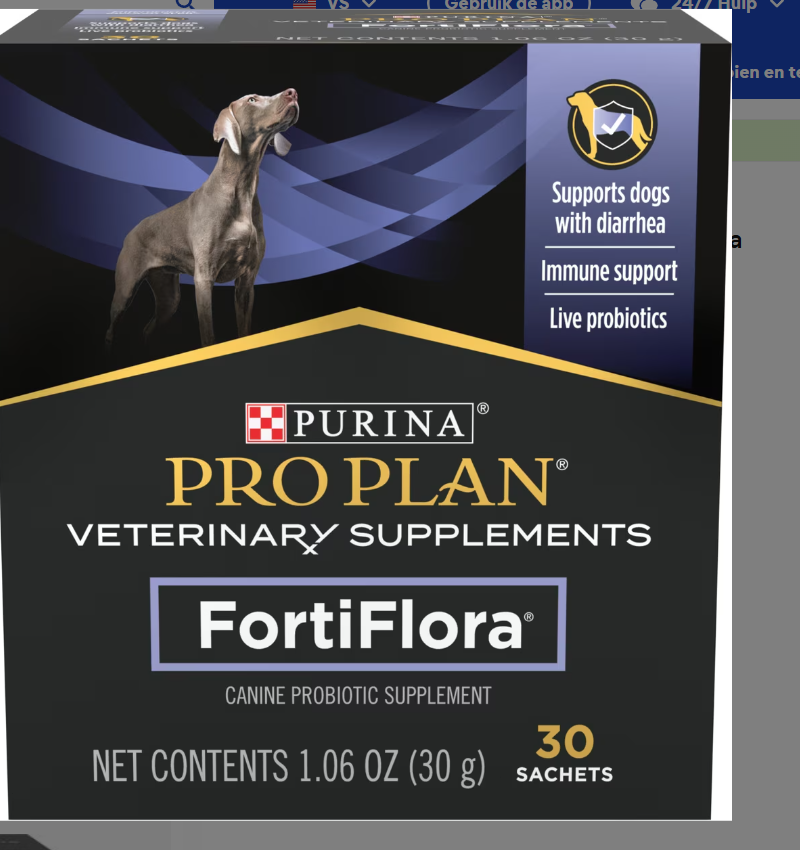
Digestive support probiotic
Purina Pro Plan FortiFlora Probiotic - Contains live beneficial bacteria to support digestive health, balance gut flora and may help reduce stool eating behavior.
Check price on Chewy
How common is it?
A study found that about 16% of dogs are serious poop eaters (seen eating stool five or more times) and roughly 24% of dogs have been observed eating poop at least once. The behavior is more common in multi-dog households.
Why dogs eat poop
- Evolutionary instinct: Researchers believe stool eating may have evolved to protect pack members from intestinal parasites by keeping living areas clean.
- Maternal behavior: Mother dogs lick and ingest their puppies' waste to keep the den clean and avoid attracting predators.
- Puppy exploration: Young dogs often ingest feces as part of learning about their environment.
- Stress or confinement: Dogs in isolation or confined spaces may eat stool due to anxiety or lack of stimulation.
- Dietary deficiency & illness: Some dogs eat stool when they aren't absorbing nutrients properly or have pancreatic insufficiency, diabetes or intestinal parasites. Consult your vet to rule out medical causes.
How to discourage coprophagia
- Supervise & manage: Pick up stools promptly. Keep your dog on a leash during potty breaks so you can redirect them.
- Teach "leave it" and "come": Use positive reinforcement to train commands that interrupt stool eating.
- Provide mental & physical stimulation: Increase exercise, training and play to reduce boredom and stress.
- Check diet & health: Ensure your dog is eating a balanced diet. Ask your vet about deworming and medical tests if stool eating persists.
- Avoid punishment: Yelling or scolding can increase anxiety and may make coprophagia worse. Focus on management and redirection.
Why it happens in otherwise healthy dogs
Some dogs eat stool even when nothing is medically wrong. In practice, the most common pattern is opportunity plus habit: the dog finds poop quickly, gets a reward from the behavior, and repeats it. Puppies may simply explore, while adult dogs often repeat the behavior because it has become routine.
When to suspect a diet or digestion problem
If the behavior appears suddenly, gets worse fast, or happens alongside diarrhea, weight loss, gas, skin issues or constant hunger, it is smart to ask your vet about diet quality, stool testing and digestive support. Dogs that are not digesting food well may be more likely to seek out stool, especially in multi-dog households.
Big mistakes owners make
- Waiting too long to pick up stool: management is the fastest first fix.
- Punishing after the fact: most dogs do not connect the punishment to the earlier behavior.
- Ignoring boredom: under-stimulated dogs repeat weird habits more often.
- Assuming it is always a training issue: sometimes there is an underlying digestion or parasite problem.
A practical plan that helps most owners
- Pick up stool immediately for two to three weeks so your dog cannot rehearse the habit.
- Use a leash or long line during potty breaks if you need more control.
- Reward your dog for turning away and coming back to you after toileting.
- Review food quality, feeding routine and digestive symptoms if the habit continues.
- Talk to your vet if the behavior is new, intense or paired with stomach issues.
More behavior guides
- Why dogs eat grass - another common odd behavior.
- Why dogs bark - understand canine communication.
- Why dogs hump - social behavior explained.
Related dog health guides
Helpful next pages for connected dog symptoms and routine care.