Why Dogs Hump & What to Do About It
Affiliate disclosure: we may earn a commission from purchases through links on this page, at no extra cost to you. How affiliate links work.
Mounting can be embarrassing, but it is not always about dominance or mating. Dogs hump for several different reasons, and the right response depends on what is actually driving the behavior.
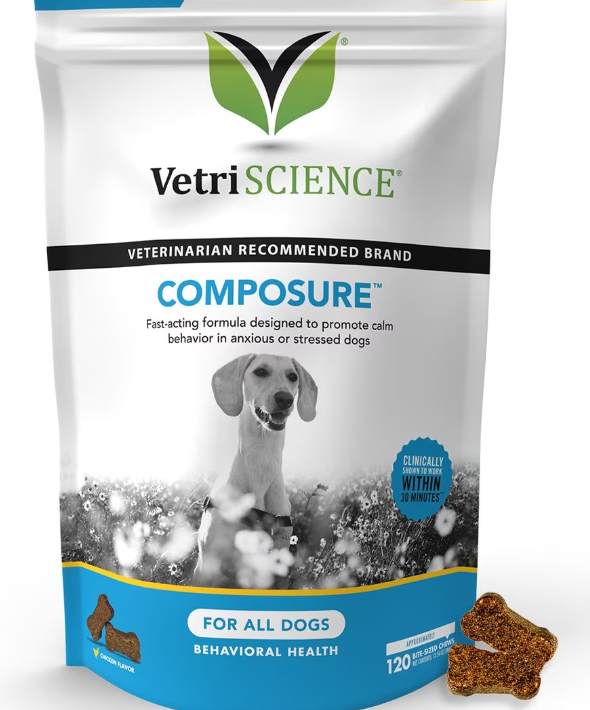
Helpful if stress or overexcitement is driving the behavior
VetriScience Calm & Confident can be helpful for dogs that hump more when they are over-aroused, anxious or unable to settle. It is not a magic fix, but it can support training, calmer greetings and better impulse control.
Check price on Chewy
Is humping really about mating?
Not usually. Many owners assume mounting means their dog wants to mate, but that is only one possible cause. Puppies, neutered dogs and even female dogs may hump when they are excited, frustrated, stressed or simply stuck in a habit that has been repeated many times.
That is why the best solution is usually not punishment or embarrassment - it is figuring out whether the behavior is being driven by hormones, overstimulation, poor impulse control or attention-seeking.
Why dogs hump in the first place
Mounting is a normal canine behavior, but the trigger is not always the same. Some dogs hump because of hormones, some because they get overexcited during play, and others because they have learned that the behavior gets a reaction from people.
- Hormones: Intact males and females in heat are more likely to mount because sex hormones raise arousal and interest in other dogs.
- Play & excitement: Puppies and young dogs often mount when play becomes too intense and they lose self-control.
- Stress or overstimulation: Some dogs hump to discharge nervous energy, especially around visitors, busy dog parks or chaotic greetings.
- Attention-seeking: Dogs quickly learn that mounting gets a big reaction, even if that reaction is negative.
- Medical discomfort: Skin irritation, urinary issues, allergies or genital discomfort can increase licking, rubbing and mounting.
Is humping always a dominance issue?
No. This is one of the biggest myths around dog behavior. Mounting can happen in social situations, but in many dogs it is really about arousal, habit, hormones or poor impulse control rather than true "dominance." Treating it like a challenge often makes the dog more frustrated and wound up.
What usually helps most
- Interrupt early: Call your dog away before the behavior escalates. Waiting too long makes the habit stronger.
- Ask for a replacement behavior: Use cues like "sit," "down," "touch" or "come" and reward fast compliance.
- Reduce arousal: Shorter play sessions, calmer greetings and more decompression walks can reduce mounting triggers.
- Add enrichment: Sniffing games, puzzle feeding, lick mats and short training sessions help dogs settle instead of tipping into overexcitement.
- Look at patterns: If humping happens in the same setting every time, the environment is part of the problem.
What not to do
- Do not punish harshly: this often adds more stress and can make the behavior worse.
- Do not assume it is always sexual: you may miss the real trigger.
- Do not wait until your dog is already fully wound up: early interruption works much better.
When to worry
Occasional mounting is common, but frequent or compulsive humping is worth a closer look. Talk to your vet if the behavior suddenly appears, gets much worse, happens alongside licking of the genital area, or comes with skin irritation, pain, discharge or urinary accidents.
Signs that stress may be driving it
If your dog humps more when guests arrive, during dog-to-dog greetings or after becoming overexcited, stress is often part of the picture. Look for other clues such as pacing, whining, panting, inability to settle, frantic zooming or persistent barking. In those cases, calming support and better management often work better than punishment.
Quick buying tip
If your dog humps mainly when stressed or overstimulated, a calming chew can be worth trying alongside training. For dogs that hump during chaotic play, enrichment tools like lick mats and slower, calmer routines often help even more than buying another random product.
Related topics
- Dog anxiety - anxiety and over-arousal often make mounting worse.
- Dog separation anxiety - useful if your dog struggles to settle generally.
- Guide to lick mats - simple enrichment that helps some dogs calm down.
- Why dogs eat poop - another puzzling behavior that owners often want to understand.