Dog Ear Infection in Dogs - Symptoms, Causes & What Helps
Affiliate disclosure: we may earn a commission from purchases through links on this page, at no extra cost to you. How affiliate links work.
This guide provides general information. Always consult your veterinarian for diagnosis and treatment.
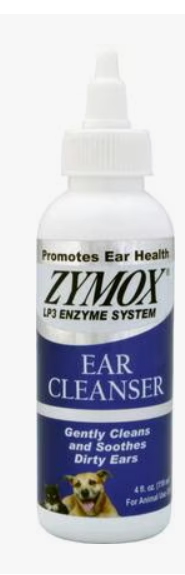
Top ear care product
Zymox Otic Pet Ear Treatment - Enzymatic solution that helps soothe itchy, inflamed ears and supports ear health.
Check price on Chewy
Why ear infections matter
Ear infections are common in dogs, especially those with floppy ears or who swim frequently. About 20 percent of dogs have some form of ear disease. Early treatment prevents discomfort and stops the infection spreading deeper into the ear, which can cause deafness, facial paralysis and balance problems.
Signs of an ear infection
Some dogs show only a buildup of wax or discharge, but many display clear signs of discomfort:
- Whining, head shaking or scratching at the affected ear.
- Dark, often smelly discharge.
- Redness, swelling and warmth of the ear canal.
- Pain or sensitivity when the ear is touched.
- Crusting or scabs around the ear.
- Changes in hearing or balance (indicates a deeper infection).
Why do dogs get ear infections?
The canine ear canal is more vertical and L-shaped than a human's, trapping moisture and debris. Infections are typically caused by bacteria or yeast; puppies can also suffer ear mite infestations. Factors that increase risk include:
- Moisture from swimming or bathing.
- Allergies, which lead to ear disease in about half of dogs with allergic skin disease and in up to 80 percent of dogs with food sensitivities.
- Endocrine and autoimmune disorders.
- Wax buildup or foreign bodies.
- Excessive cleaning or injury to the ear canal.
What to do if you suspect an infection
Never attempt to treat a suspected ear infection at home. See your veterinarian promptly. Your vet will:
- Take a thorough history of symptoms and possible underlying causes.
- Perform a physical exam and use an otoscope to inspect the ear canal.
- Take swabs for microscopic examination or culture.
- Clean the ear and prescribe medicated ear drops or oral antibiotics and anti-inflammatory drugs.
- In severe or chronic cases, discuss surgical options such as Total Ear Canal Ablation (TECA).
Follow your vet's instructions carefully and finish the full course of medication to prevent recurrence. Return for any recommended rechecks.
Most common causes of dog ear infections
Ear infections are rarely random. In many dogs there is an underlying trigger that keeps the ear canal irritated and warm enough for yeast or bacteria to overgrow.
- Yeast overgrowth: common in dogs with moist ears, skin issues or allergies.
- Bacterial infection: often causes stronger odor, more discharge and more pain.
- Allergies: food or environmental allergies are one of the biggest reasons infections keep coming back.
- Water trapped in the ear: common after swimming, bathing or frequent ear rinsing.
- Ear mites or debris: more likely in puppies or in homes with multiple pets.
When it may be mild vs when it is urgent
A mild case may start with extra wax, head shaking or a light yeasty smell. But if your dog cries when the ear is touched, tilts their head, loses balance, or the ear is very swollen, do not wait and see. Those signs can point to a deeper or more painful infection that needs prompt veterinary treatment.
What not to do at home
- Do not pour random home remedies like vinegar, peroxide or essential oils into the ear.
- Do not use cotton swabs deep in the canal, because they can push debris further in.
- Do not keep cleaning a painful ear over and over if your dog is resisting.
- Do not reuse old medication from a previous infection without asking your vet first.
Routine cleaner vs actual treatment
This matters because many owners buy an ear cleaner when their dog actually needs medication. A cleaner can help with regular maintenance, debris removal and vet-guided aftercare. It is not the same as prescription treatment for an active infection. If the ear is painful, smelly or producing discharge, the safest move is a veterinary exam first.
Prevention tips
- Dry your dog's ears thoroughly after swimming or bathing.
- Ask your vet about ear powders or cleansers to keep ears dry.
- Manage allergies with your vet's help - controlling underlying allergies reduces ear disease.
- Avoid inserting cotton swabs or objects into the ear canal.
- Have your vet check your dog's ears during routine exams.
Return to the Dog & Cat Health Library
Related dog health guides
Helpful next pages for connected dog symptoms and routine care.