Why Dogs Bark & How to Manage It
Affiliate disclosure: we may earn a commission from purchases through links on this page, at no extra cost to you. How affiliate links work.
Barking is a normal way for dogs to communicate. Excessive barking can be frustrating, but first you need to identify the cause.
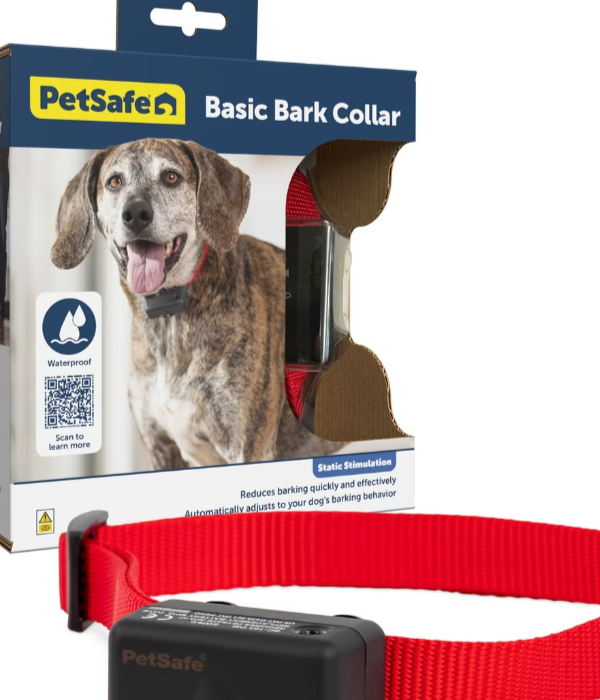
Gentle bark control
PetSafe Static Basic Bark Collar - Waterproof collar with adjustable static correction to discourage nuisance barking while preserving your bond.
Check price on Chewy
Types of barking
- Demand barking: Your dog barks to get something, such as attention, food or access to outdoors.
- Alarm barking: Triggered by sights or sounds that startle your dog, such as a doorbell or passer-by.
- Anxious barking: Often linked to fear or separation anxiety.
- Excited barking: Happens during play or when your dog sees something enjoyable, like another dog or a favorite person.
- Attention-seeking barking: Bored or under-stimulated dogs bark to gain attention.
Training strategies
- Teach a replacement behavior: Reward your dog when they perform an alternative behavior, such as going to a mat or touching your hand, instead of barking.
- Ignore demand barking: Do not respond to barking that seeks attention. Wait for quiet before acknowledging your dog.
- Desensitise triggers: Gradually expose your dog to the cause of the barking at a level they can tolerate, rewarding calm behavior.
- Increase mental & physical stimulation: Provide daily exercise, training and puzzle toys to reduce boredom and frustration.
- Manage the environment: Use curtains, white noise or move your dog away from windows to limit exposure to triggers.
When to consult a professional
If barking is associated with anxiety, aggression or persists despite training, consult a certified trainer or a veterinary behaviorist.
Related articles
- Dog separation anxiety - anxious barking often stems from separation distress.
- Why dogs chew furniture - boredom and anxiety can lead to other behaviors.
- Dog anxiety - recognizing stress signals in dogs.