Why Dogs Chew Furniture & How to Stop It
Affiliate disclosure: we may earn a commission from purchases through links on this page, at no extra cost to you. How affiliate links work.
Chewing is a natural behavior. Puppies explore with their mouths, while adult dogs chew for many reasons. Understanding the root cause helps you guide them toward appropriate toys.
Common reasons dogs chew furniture
- Teething: Puppies chew to relieve discomfort when their baby teeth are falling out and adult teeth are emerging. Teething typically occurs between 3 and 6 months of age.
- Boredom or lack of stimulation: Dogs may chew out of boredom when they don't receive enough mental and physical exercise.
- Stress & separation anxiety: Dogs experiencing stress or separation anxiety often chew as a coping mechanism.
- Habit: If chewing has been reinforced (for example, chewing reduces anxiety), it can become a habit.
How to stop destructive chewing
- Provide appropriate chew toys: Offer safe, durable toys sized for your dog. See our best toys for power chewers list.
- Puppy proof your home: Remove or block access to valuable furniture and electrical cords. Management prevents unwanted chewing from being rehearsed.
- Exercise & enrichment: Increase daily physical activity and provide puzzle feeders or scent games to relieve boredom.
- Train calm behaviors: Teach your dog to settle on a mat, crate or bed. Reinforce calm behavior and redirect chewing to the toy when needed.
- Address anxiety: Dogs who chew due to stress may benefit from separation anxiety training or help from a professional. See our separation anxiety guide.
More ways to curb chewing
- Rotate chew toys & edible chews: Offer several types of durable toys and inedible chew bones and swap them regularly. Changing toys keeps your dog interested. Supervise when giving edible chews like bully sticks and rawhide and remove them if your dog tries to swallow large pieces.
- Dog-proof your environment: Store shoes, clothes and valuables out of reach and block access to areas where your dog is tempted to chew.
- Provide mental stimulation: Give your dog a puzzle toy stuffed with part of their daily meal at times they are likely to chew; these toys satisfy their chewing needs and keep their brain busy.
- Increase exercise: Regular walks, play sessions and dog sports help reduce boredom and lower the urge to chew.
- Consider deterrent sprays & professional help: Bitter sprays on furniture can discourage chewing but should be combined with teaching what to chew. If anxiety or compulsion drives the behavior, consult a certified behaviorist.
- Protect your furniture: Use waterproof, non-slip covers on sofas and chairs to create a physical barrier that protects upholstery from teeth marks and drool. These covers keep your dog comfortable while preventing damage.
- Use anti-chew sprays: Apply a non-toxic bitter spray to furniture legs, cords and other tempting surfaces. The unpleasant taste discourages dogs from mouthing objects and reinforces what is off limits.
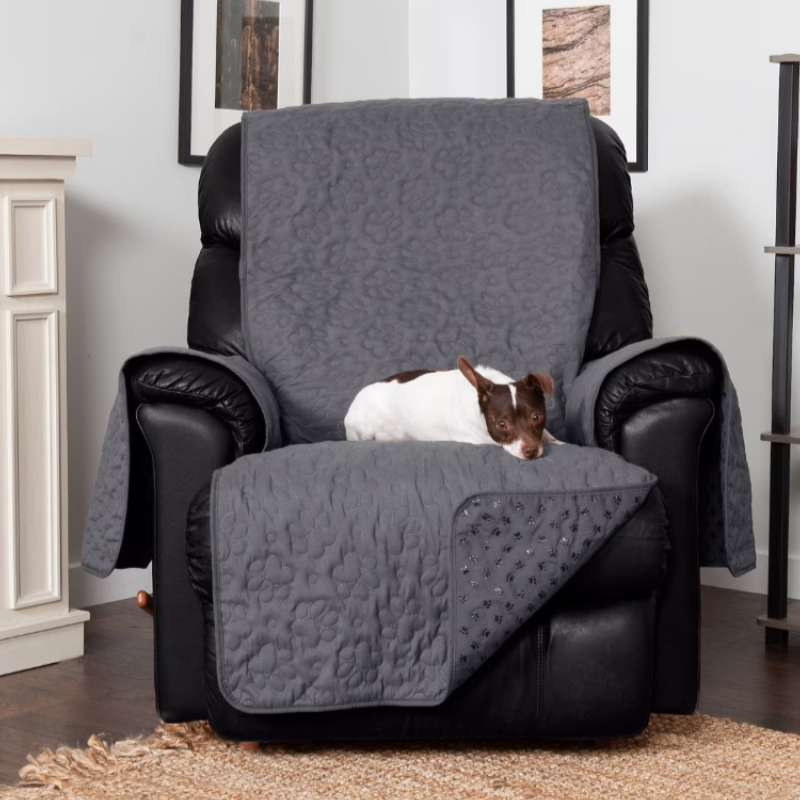
Editors' choice furniture protector
Waterproof sofa & chair cover - This non-slip furniture protector keeps your sofa or recliner safe from chewing and accidents. Its waterproof, scratch-resistant fabric shields upholstery while providing a comfortable spot for your dog to lounge. Machine washable and easy to remove.
Check price on Chewy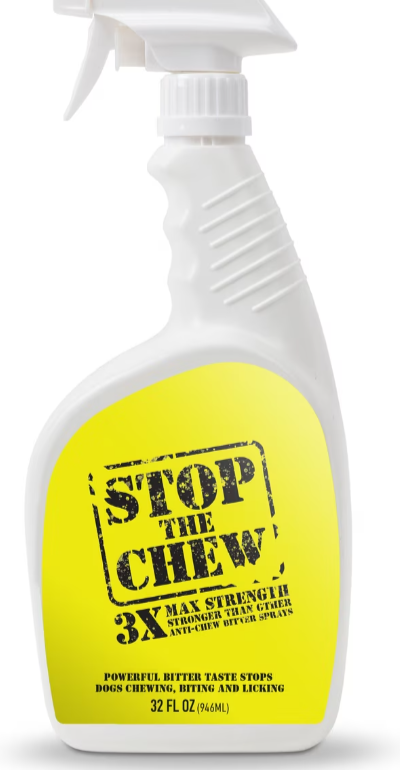
Editors' choice anti-chew spray
Stop The Chew bitter spray - This powerful, non-toxic formula has a strong bitter taste that deters dogs from chewing on furniture, shoes and other household items. Use it on wood, fabric or cables to reinforce your dog's training and protect your belongings.
Check price on ChewyRelated reading
- How to stop destructive chewing - our foundational guide.
- Dog anxiety - signs and calming strategies.
- Best dog toys for Pitbulls - breed-specific recommendations.
Frequently Asked Questions
Why does my dog chew the same corner?
That spot may offer a satisfying edge, carry household scent or be reached during a predictable stress or boredom period. Block access while teaching an alternative.
Will a bitter spray solve the problem?
A deterrent may protect a surface, but it does not meet the underlying need. Pair management with exercise, enrichment and rewarded use of appropriate chew items.
When should I involve a professional?
Get help when chewing is sudden, compulsive, linked to being alone, causes injury or includes swallowing wood, fabric or other non-food material.