Dog Obesity & Weight Management
Affiliate disclosure: we may earn a commission from purchases through links on this page, at no extra cost to you. How affiliate links work.
Obesity is one of the biggest health problems in dogs today. Managing your dog's weight can add years to their life and reduce the risk of diseases.
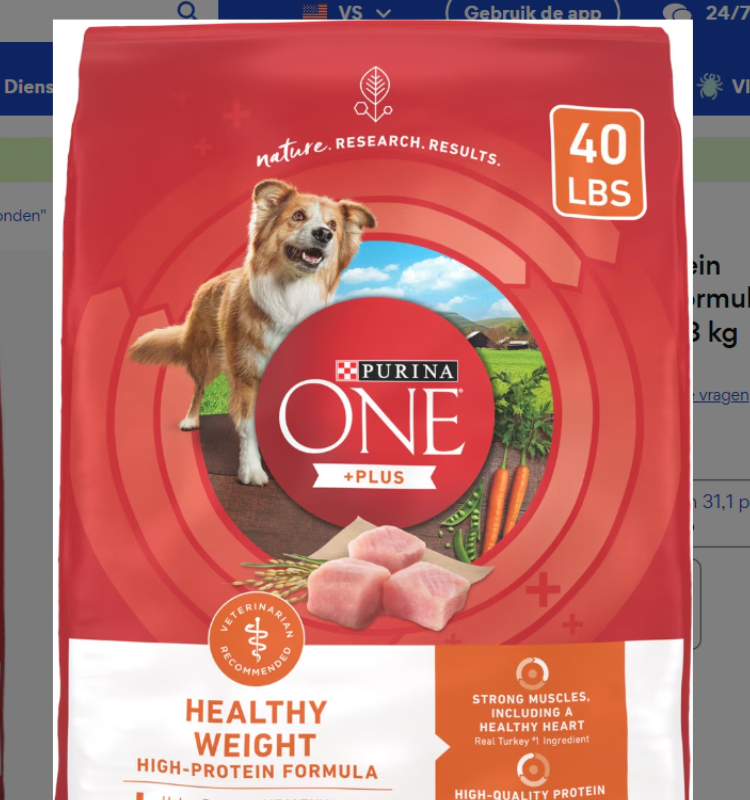
High-protein weight management
Purina ONE Plus Adult High Protein Dog Food - Chicken-based kibble with high protein and fewer calories to support lean muscle and help control weight.
Check price on Chewy
The scope of the problem
Veterinary experts estimate that about 60% of the dog population is overweight or obese. Excess weight increases the risk of arthritis, diabetes, heart disease and decreases life expectancy.
Why dogs gain weight
- Overfeeding: Many owners underestimate calories in treats and table scraps. Treats can add significant calories.
- Lack of exercise: Sedentary lifestyles contribute to weight gain.
- Medical issues: Hypothyroidism, Cushing's disease and medications can cause weight gain; consult your vet.
- Neutering/spaying: Hormonal changes after surgery can lower metabolism. Adjust caloric intake accordingly.
Weight management tips
- Calculate calorie needs: Ask your veterinarian to determine your dog's daily caloric requirements and adjust food portions accordingly.
- Measure meals: Use a scale or measuring cup to ensure consistent portions.
- Limit treats: Treats should make up no more than 10% of daily calories. Consider low-calorie options like carrots or green beans.
- Exercise daily: Provide at least 30 minutes of moderate activity (walking, play or training) per day, adjusting for your dog's age and health.
- Weigh regularly: Monitor your dog's weight every few weeks. Small changes help track progress.
How to tell if your dog is overweight
Many owners assume their dog's shape is normal because they see other stocky dogs at the park. Veterinarians use a Body Condition Score (BCS) to estimate fat and muscle. You can try a quick check at home: feel along the ribcage using light pressure; ribs should be easy to feel but not sharply prominent. Then look for a waist from above and an abdominal tuck when viewed from the side. A straight or sagging belly, or ribs that are difficult to feel, suggests your dog may be carrying too much weight. Repeat this simple check monthly; your vet can confirm the score and recommend next steps.
| BCS category | Rib/waist check | Abdominal tuck |
|---|---|---|
| Underweight | Ribs, spine and hip bones easily visible | Pronounced tuck |
| Ideal | Ribs easy to feel; visible waist | Slight tuck |
| Overweight/obese | Ribs difficult to feel; no defined waist | Straight or sagging belly |
Health risks of obesity
Excess body fat strains almost every organ system. Overweight dogs have higher rates of high blood pressure, osteoarthritis and diabetes. They can also experience respiratory problems and heart disease, and carrying extra weight has been linked to a shorter life span. Maintaining a healthy weight reduces these risks and improves your dog's quality of life.
Why some dogs are at greater risk
Any dog can gain weight if they eat more calories than they use, but certain breeds - such as Basset Hounds, Dachshunds, Beagles and Labrador Retrievers - tend to be prone to obesity. Dogs that have been spayed or neutered may also gain weight due to hormonal changes. Activity levels decline with age, so older dogs often need fewer calories and closer monitoring. Being aware of these factors helps you adjust portions and exercise early.
Long-term weight loss strategies
Healthy weight loss is gradual. Work with your veterinarian to set a realistic calorie target and reduce portions slowly. Combine regular walks with mental stimulation - interactive puzzle toys or our tough chew picks encourage active play. Switching to a high-protein, lower-fat diet preserves lean muscle; the Purina ONE Plus formula above is one example. Feeding from a slow feeder bowl can help your dog feel full on less food. Be consistent: weigh your dog regularly, adjust calories as they slim down and avoid yo-yo dieting. Over time, small changes lead to sustainable weight management.
When to seek professional help
If your dog is significantly overweight or you're unsure how to start a weight-loss plan, consult your veterinarian. They can screen for underlying medical issues and create a tailored weight-management program.
Related resources
- Dog anxiety - stress can lead to overeating; learn how to manage it.
- Dog itching - allergies and steroid treatments can sometimes prompt overeating or weight gain.
- Best orthopedic dog beds - heavier dogs benefit from joint support.
- Dog separation anxiety - anxiety can cause overeating or inactivity.
- Salmon oil supplements - support joints and coat health during weight loss.