Dog Paw Licking - Causes & Solutions
Affiliate disclosure: we may earn a commission from purchases through links on this page, at no extra cost to you. How affiliate links work.
Occasional paw licking is normal grooming. Persistent licking may indicate pain, allergies or anxiety. Let's explore the possibilities.
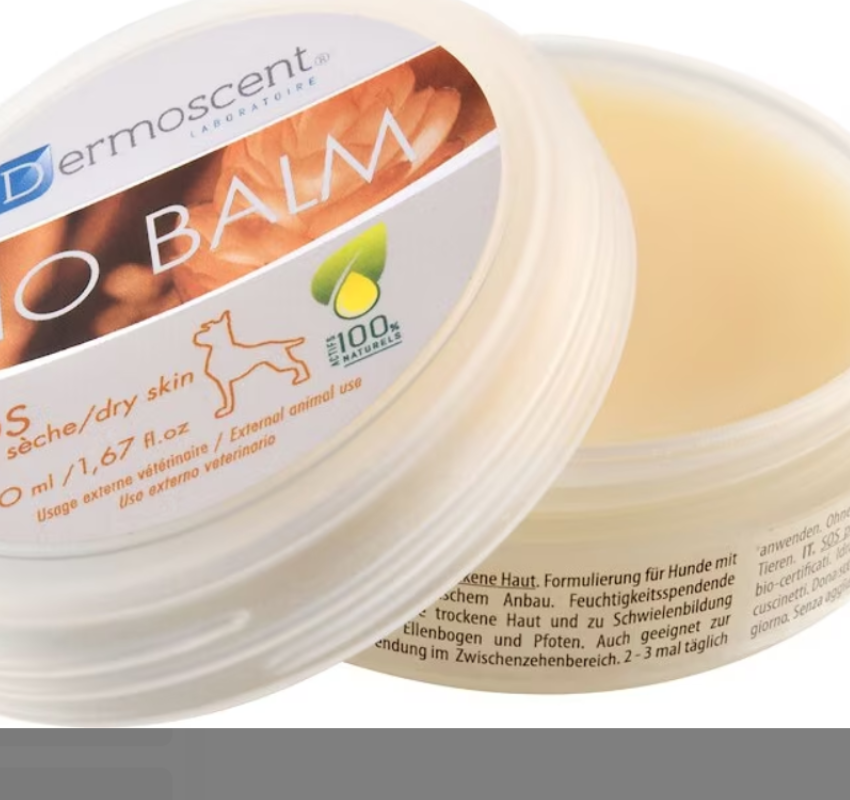
Repair & protect paws
Dermoscent BioBalm Skin Repairing Balm - Moisturising balm that helps heal cracked paw pads and dry noses, forming a protective barrier against harsh conditions.
Check price on Chewy
Why dogs lick their paws
- Injuries: Cuts, splinters or burns from hot pavement or ice melt can make a dog lick a paw.
- Dermatitis & allergies: Irritation from environmental allergens (grass, pollen) or chemicals causes itching. Food allergies may also cause itchy paws.
- Parasites: Fleas, mites or mange can make paws itchy.
- Pain: Arthritis or joint pain may cause a dog to lick a paw for relief.
- Boredom or anxiety: Under-stimulated dogs may develop obsessive licking to self-soothe.
What you can do
- Inspect the paws carefully for cuts, thorns or swelling. Remove debris gently and clean minor wounds.
- Wash paws after walks to remove allergens and chemicals.
- Discuss possible food allergies with your veterinarian if itching is chronic. An elimination diet may be needed.
- Treat parasites promptly using vet-recommended products.
- Provide more exercise and mental enrichment to prevent boredom and anxiety. Consider puzzle toys and training sessions.
When to see the vet
Persistent licking that causes redness, hair loss or bleeding requires a vet visit. A veterinarian can determine whether the cause is dermatologic, allergic or behavioral and prescribe appropriate treatment.
How to narrow down the cause
If licking happens after walks, think first about contact irritation from grass, salt, mud or cleaning chemicals. If it happens year-round and affects ears or skin too, allergies become more likely. If it mainly happens at night, during rest or after stressful events, boredom and anxiety are stronger possibilities. That simple pattern check can help you decide whether to focus on paw cleaning, allergy support or behavior changes first.
This page is for practical education, not diagnosis. For persistent symptoms, swelling, limping or open sores, a vet exam is the right next step. You can also review our editorial policy, methodology and author page for how BestPetsCo handles health content.
Common mistakes to avoid
- Putting balm on the paw without checking for a cut, thorn or infection first.
- Assuming every paw-licking case is a food allergy.
- Letting licking continue until the skin is red, wet or bleeding.
- Ignoring behavior triggers like boredom, stress or lack of enrichment.
Related topics
- Dog itching - broad overview of itchy skin causes.
- Dog food allergies - elimination diets for itchy dogs.
- Dog anxiety - behavioral causes of licking.