Best dog chew toys comparison
Affiliate disclosure: we may earn a commission from purchases through links on this page, at no extra cost to you. How affiliate links work.
This side-by-side comparison separates five different designs: a stuffable rubber toy, a rubber ring, a solid Zogoflex fetch toy and two hard-nylon chews. None is indestructible, and a harder material is not automatically the right answer for a destructive chewer.
Comparison table
| Feature | KONG Extreme | Goughnuts Ring | West Paw Hurley | Nylabone Power Chew | Benebone Wishbone |
|---|---|---|---|---|---|
| Material | Dense natural rubber | Natural rubber; model-specific indicator | Zogoflex proprietary material | Tough flavored nylon | Nylon infused with real flavors |
| Shape | Hollow cone | Ring | Bone-shaped stick | Bone style | Wishbone shape |
| Best for | Power chewers needing mental stimulation |
Supervised ring chewing; check exact variant |
Fetch, water play and supervised chewing |
Dogs that prefer a traditional bone |
Paw-bracing shape; not for extreme chewers |
| Limitations / removal cues | Inspect opening and rubber; stop use if damaged |
Indicator not on every model; remove any damaged ring |
No food cavity; stop use if damaged |
Hard nylon can fracture teeth; replace worn ends |
Not for very aggressive chewing; follow monthly replacement rule |
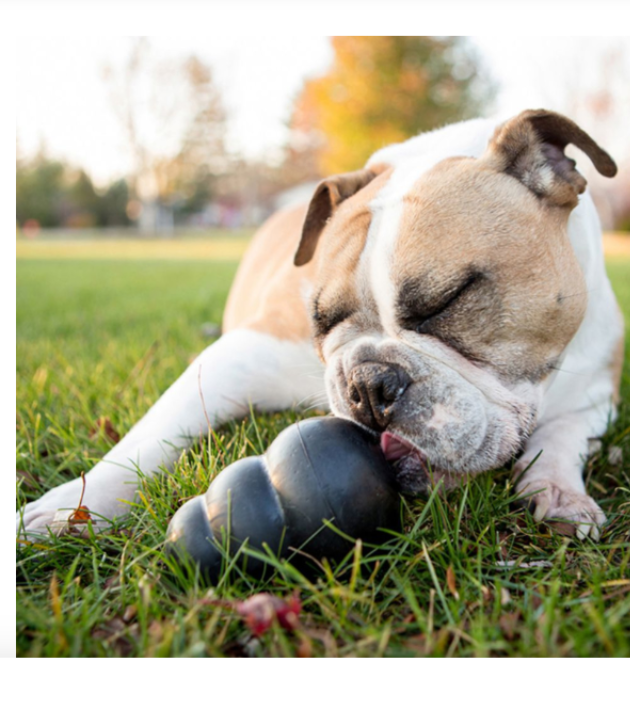 on Chewy |
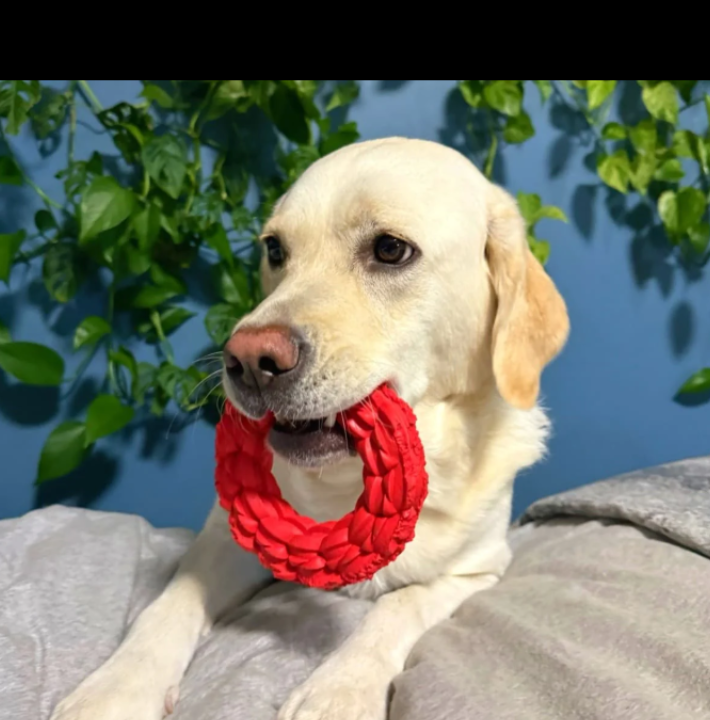 |
 |
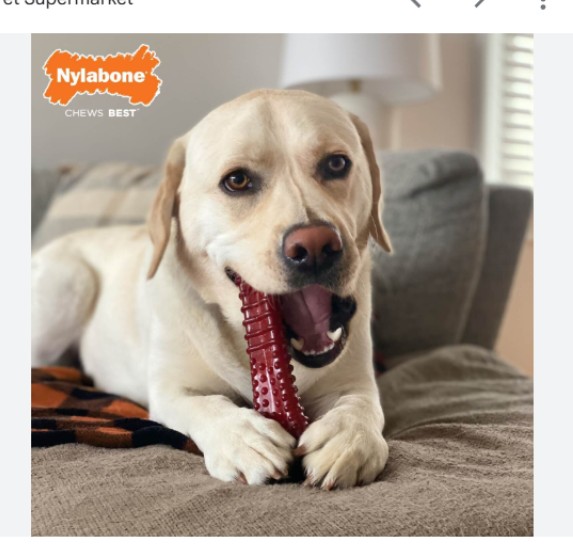 |
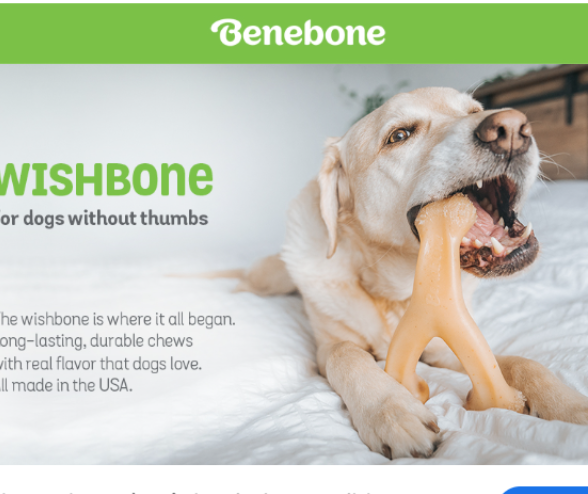 |
How to choose the right toy for your dog
Begin with the job: choose a hollow KONG for food enrichment, a Hurley for retrieving, or investigate the appropriate Goughnuts ring for supervised chewing. A hard-nylon chew offers a different texture but introduces tooth-fracture risk; it is not our default recommendation when a dog destroys rubber.
Read the particular product's instructions rather than applying a brand-wide assumption. A Goughnuts Heavy Duty ring has no red indicator, and a West Paw Hurley cannot be stuffed like a KONG. Benebone's nylon safety guide excludes very strong or very aggressive chewers despite the product's tough-chew positioning.
Common buying mistakes
- Choosing by brand alone instead of by chewing style and jaw strength.
- Buying too small, which reduces lifespan and can create a safety risk.
- Using one toy for every situation instead of rotating chew, fetch and enrichment toys.
- Keeping badly worn nylon toys too long instead of replacing them.
Frequently Asked Questions
Rubber or nylon: which is the better starting point?
Dense rubber is often more forgiving and can support food enrichment. Hard nylon carries a tooth-fracture risk and deserves a separate dental-suitability decision. Choose by chewing style and dental history, not durability alone.
What should I compare besides durability?
Compare size, shape, material hardness, ability to clean, replace-when-damaged guidance and whether the toy creates edges or pieces your dog can swallow.
When should I skip a hard chew?
Ask your veterinarian before using a very hard chew for a puppy, senior dog or any dog with worn, painful or previously fractured teeth.
How this guide was researched
The comparison separates rubber, nylon and other constructions by hardness, shape, cleaning and replacement cues. It is editorial research from published manufacturer information and veterinary guidance, not a controlled durability trial.
See our methodology and disclosure. Recheck the current label, price and availability.
Three checks that prevent a mismatched purchase
- Confirm the variant: Power Chew names describe a product range, while Wishbone is one design. Match the photo, size, flavor and manufacturer instructions on the retailer page before ordering.
- Compare dimensions: Hurley lengths are 4.5, 6 and 8.25 inches. KONG Extreme uses weight bands from Small through XXL. These are different sizing systems; matching the word Large across brands is not enough.
- Budget for removal: do not judge value only by purchase price. Manufacturer replacement terms may require shipping or a claim, while a damaged toy should leave use immediately.
Sources for product details: KONG Extreme product guide; Goughnuts ring models; Goughnuts replacement policy; West Paw Hurley specifications; Benebone nylon safety instructions; Nylabone use and replacement guidance; VCA veterinary guidance on fractured teeth. BestPetsCo compared published information; we did not perform a hands-on durability test.