
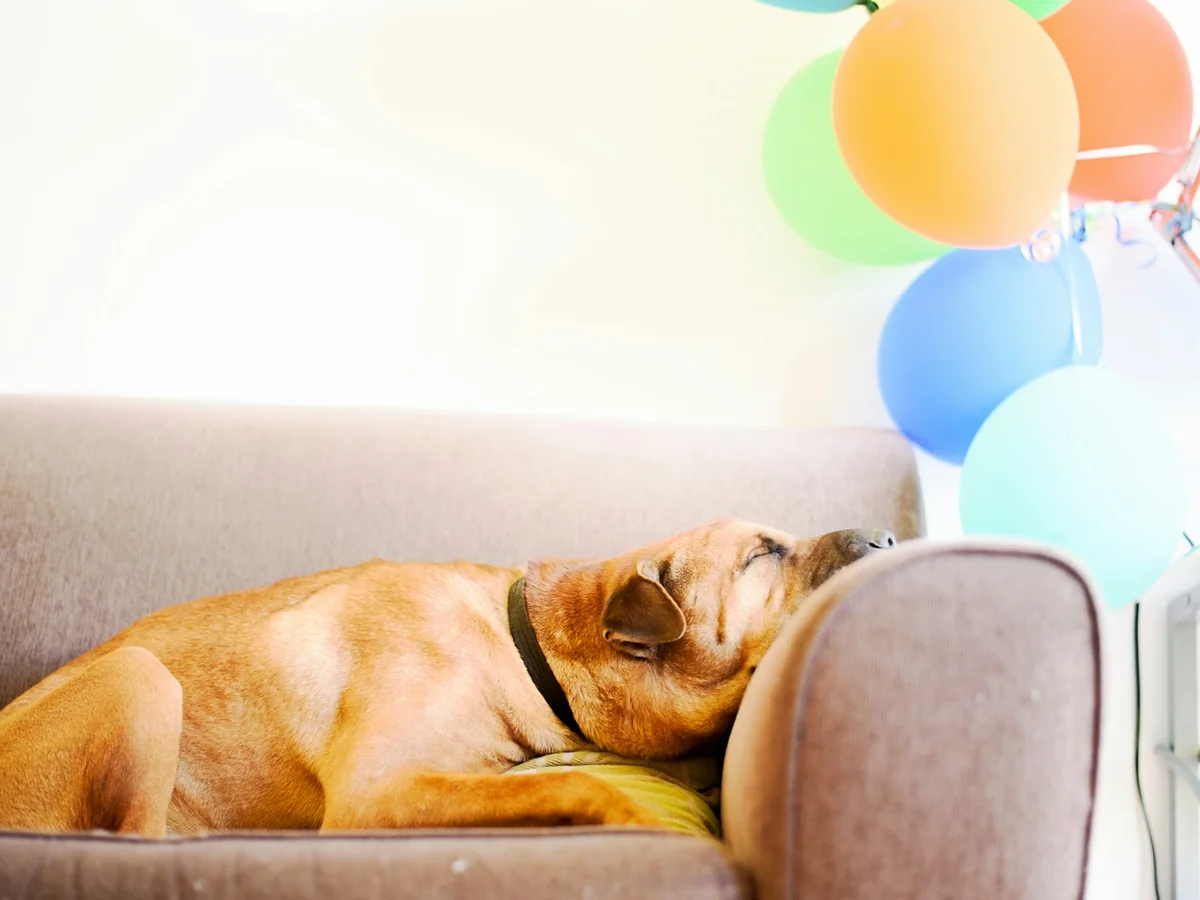
A cold, wet afternoon can still include something your dog enjoys: a little searching, a familiar training game and somewhere comfortable to rest. Start with your dog's usual food and the safe equipment you already own. Choose activities that fit your dog and your room; there is no need to turn the living room into an obstacle course.
Set up for the dog you have
Clear a small area with secure footing, away from stairs, heaters and breakable decorations. Keep water available. Put aside some of the day's normal food for games, rather than adding a stream of extra snacks. Keep any prescribed diet or activity restrictions in place.
A puppy, a senior dog and an athletic adult may need different movement, difficulty and rest. Stop if your dog seems uncomfortable, tired or reluctant. Ask your veterinarian about new mobility problems or a change in interest in activity. Indoor games supplement outdoor exercise, sniffing and toilet opportunities whenever conditions allow.
1. Make an easy “find it” game
- Show your dog a piece of their usual food and place it on a clean, accessible part of the floor.
- Say “find it” and let them approach at their own pace. Acknowledge the find with quiet praise.
- Once they understand, place food in a few nearby spots. Keep the first searches obvious.
- Help if they struggle. Finish with an easy find, then show them that the game is over.
Keep food out from under heavy furniture and away from cables. Use places you are happy for your dog to investigate again. The first version needs no boxes, bottles or special scent kit.
For a dog who prefers toys, let them watch you place a familiar, intact toy nearby and invite them to find it. Skip the game if finding the toy turns into frantic chewing.
2. Choose one tiny training game
A nose target needs very little room. Offer an open hand close to your dog's nose, without pushing it toward their face. When they voluntarily sniff or touch it, say a familiar marker such as “yes” and give a food reward. Reset your hand and repeat only while the interaction stays easy.
If your dog already knows a comfortable cue, practice that instead. Keep sessions short and simple; you do not need a fixed number of repetitions. Mouthing your hand, barking or walking away can mean it is time to make the task easier or take a break. Avoid chasing your dog around to continue.
3. Offer a supervised food activity
If you already have a suitable hollow food toy, start with a loose filling that comes out easily. Use food that fits your dog's normal diet. A tightly packed or frozen puzzle is an extra challenge, not the required starting point. The activity should let your dog succeed.
Check that the toy suits your dog's size and play style, and inspect it for damage. Stay nearby and watch how it is used. Stop using a toy if your dog bites pieces off, and clean it after use following its care instructions.
A lick mat is another format for supervised feeding, not a chew toy. Our West Paw Hurley and KONG Extreme comparison explains the difference between a solid play toy and a hollow food toy if you are deciding what an existing toy can do.
4. Leave room for a quiet pause
Put the game away and sit somewhere quiet with your dog's familiar resting place nearby. Notice and gently reward relaxed behavior, such as choosing to lie down or resting their head. Start without household bustle and let your dog move away.
Rest does not have to be earned by finishing every activity. If your dog is already sleeping comfortably, leave them to it. These ideas are everyday enrichment, not a treatment plan for anxiety or distress.
Keep small homes simple
- Use one spot: alternate an easy floor search, a hand target and a quiet break without rearranging furniture.
- Limit clutter: bring out one activity at a time and put food equipment away after cleaning.
- Give pets space: offer food games separately if sharing causes tension. Seek professional advice about guarding.
A sample plan you can change
This is a menu, not a daily quota. Choose the pieces your dog enjoys and shorten or skip anything that does not suit them.
- Begin: check toilet needs and choose a comfortable, clear space.
- Explore: play an easy “find it” game or practice a familiar cue.
- At a usual mealtime: optionally serve part of the meal in a suitable food toy while you supervise.
- Finish: clear away the activity and offer quiet time.
Keep outdoor opportunities in the day as conditions and your dog's health allow. You can note which activities worked in your pet care planner, then reuse the favorites.
Sources and approach
Prepared from the guidance below, checked November 16, 2026. The sample routine is an editorial example, not a tested exercise prescription.